Our winter season in the Caribbean is well underway. After arriving in Antigua and taking care of some boat issues (see the last blog entry) , we have been kept very busy with activities of the Salty Dawgs. This group of nearly 90 boats that came down from the East Coast in November and kicked off the season here with cocktail parties, dinners, a dinghy drift, small boat regatta, meet and greets with local businesses on an almost daily basis. We participated as the “southern contingent” as we sailed up from Trinidad and not in the rally from the East Coast.
Lynn & Bill Morning Net Hosts
My participation has also been as the Net Controller for the daily 8:30 AM morning VHF net with Lynn on ROXY. She is the social director here for the Salty Dawgs. The net could also be called the Daily Calendar with Bad Jokes and Puns.
So, it has been a whirlwind of activities almost every day. We do manage to get in the water for some swimming exercise to work off some of the rum punches. We have also organized a few musical jams which are fun, and even melodic at times. Dave and Trudie on PERSEPHONE add a layer of professionalism, Mike on MERMAID is giving me harmonica lessons, and Lynn on ROXY is keeping me away from the mike.
Chill’n at Boom Restaurant
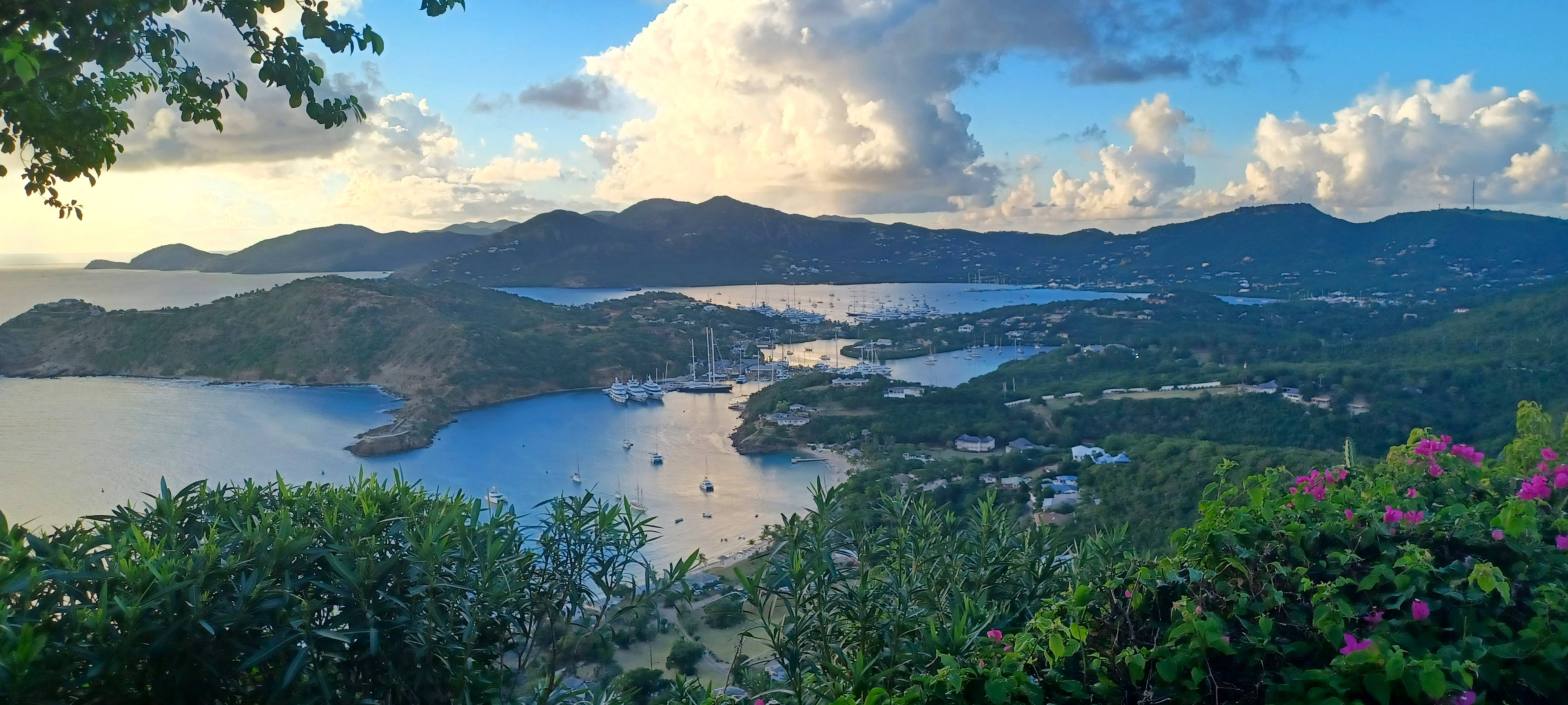
After we arrived in Antigua and were in English Harbor for few days, we moved over to Falmouth Harbor. There is more room to anchor there and is closer to Pigeon Beach to swim.
The weather has been warmer and dryer than normal. The water temperatures are even warmer than usual. This was true even in Trinidad. Climate change? Who knows? Nonetheless our water maker (rain collection system) stores 15 gallons for our on deck fresh water rinse off, even with light rainfalls.
We had an ex-cruiser friend Mary stay aboard Kalunamoo a few days. She caught up with other Salty Dawgs and it was good to see her again. She lost Doug a few years ago to cancer and we miss them both sailing on Zipporah.
Maureen, Bill & Mary
.
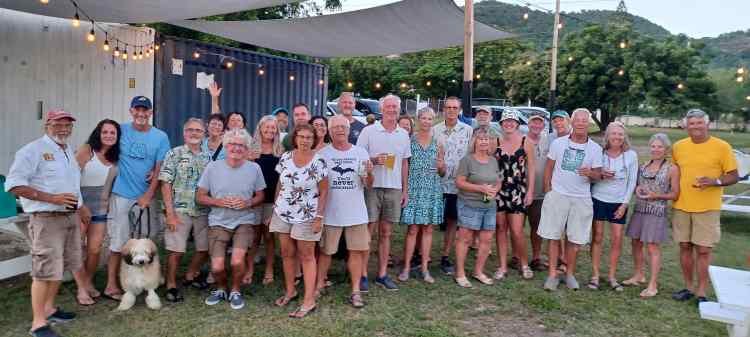
The Dawgs at 2-Six -8
Dinghy Drift in Falmouth Harbor
Thanksgiving Regatta
The Admirals Inn
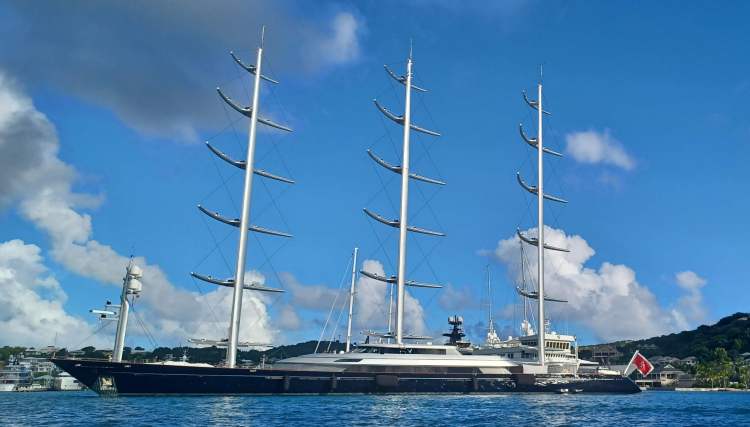
The Maltese Falcon
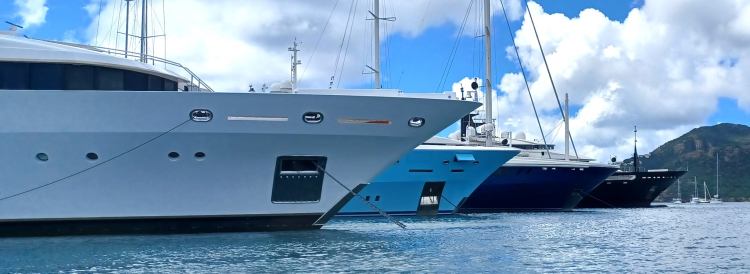
This week the Charter Boat Show in Antigua takes place. So, after the Salty Dawgs showed the way to Antigua, the Big Boys arrived. If you don’t have a boat to sail down on, you can always charter one of these and enjoy the island like we do. There are over 50 here now. They are big enough to invite your friends and family aboard. I suggest The Maltese Falcon to charter. It accommodates 12 and only costs $500,000 per week excluding fuel.
Take your pick!
Time to get ready for Christmas as we fly to New York to be with family and Friends. Tree lightings and lights are out and about, but alas, no forecast for a white Christmas down here.
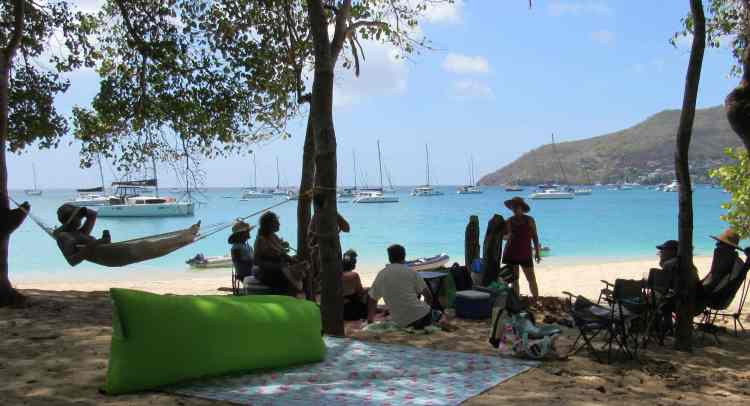
Its been two weeks since we sailed from Trinidad. About 24 hours after leaving Trinidad, we anchored in Bequia, the northernmost island of the Grenadines. The overnight sail north was very pleasant with favorable winds and weather. It was good to get out on the sea again and Kalunamoo performed very well without any “shake down breakdowns”. Bequia is a great little island, has a wonderful swimming beach, and has a truly Caribbean island vibe.
Jack’s at Bequia
The weather, however, was changing. The forecast of squally weather interrupted by either calms or gusty winds which made the decision of when to continue on, a bit of a game. We were headed to Antigua to meet the arriving Salty Dawg Rally group who were sailing down from the East Coast. Our cruising friends, Lynn and Mark on Roxy, also left Trinidad and were also sailing to Antigua (Lynn is the “social director of the Antigua Dawgs) but they made a stop at Martinique. The Dawgs, which we are members of, always provide fun times with scheduled events and ad-hoc activities. We also get to meet many cruisers that we know, have a great Thanksgiving at the Antigua Yacht Club and enjoy sailing around Antigua.
Of course, having a schedule is not the best way to cruise. Leaving enough time to cover the 400 miles between Trinidad to Antigua with options to stop off at any of the six islands on the way helps. The Dawgs have to sail 1300 miles with no stopping, except for Bermuda if the wind is right. Given the anticipated weather we decided a one stop voyage would be fine. The second leg, Bequia to Antigua is over 40 hours. In any case, the weather was as expected, but the boat performed wonderfully. Except when we wanted to start the refrigeration (reefer).
Since the reefer compressor was replaced two years ago, fifty percent of the time the compressor balks at kicking over. This only occurs when it runs on the generator. This is needed as it is a big 120 volt compressor. On shore power there is never a problem. But most of our time aboard cruising is not spent in marinas. It usually takes 3-4 times to kick the compressor on but once on there is no issue. This time it just would not kick on after multiple tries and several hours between attempts.
We came into English Harbor at 6AM, anchored in Freemans Bay. At 8 AM we called the Slipway Boatyard and made arrangements to go alongside and work on the reefer. Are we having fun yet?
Slipway Boat Yard
The reefer kicked over with shore power, and the reefer mechanic checked it out and found everything fine. The generator was also tested and, of course, it also worked to start the compressor. The problem is a mystery that we are still working on.
After two days we went back out to anchor alongside Roxy and the reefer ran just as it always had. Maybe it didn’t like the 40 hour passage. What also didn’t like the passage was the bow thruster. We use that only when docking but It didn’t work when docking at the Slipway Boatyard.
On the way up, we had to pump a lot of water out of the bilge and forward sump. Rainwater does accumulate but the amount was disconcerting. The problem was I could not find where it was coming from. Fortunately, wherever it was coming from was slow and only when we were sailing. That’s a good thing. Fun yet?
To check out the bow thruster everything in the V-berth must be removed. When we did that, I discovered the bow thruster motor submerged in 3 feet of water! The compartment was completely flooded. The electric motor was toast. The slow leak was from the new Bobstay fitting that apparently was not water tight. Underway, it is underwater. At anchor it is above water and you would never know it was not watertight.
Mark on Roxy and I took the whole motor out, disassembled it, but for various reasons, decided a new one was the best option. We will bring down a new motor and relay at Christmas time. Fun yet?
Bow thruster motor
Freeman’s Bay is a beautiful anchorage in English Harbor but notoriously swirly. This means that when the wind dies (usually at night) the anchored boats drift around haphazardly and risk colliding. After two nights of that we had enough. We moved over to Falmouth Harbor where there is no risk of that.
Anchoring in Falmouth is a piece of cake. We dropped the hook, let the boat settle, and then backed down on the engine to set the anchor. All was well until the engine gave a shudder. Didn’t think too much of it until that night when we discovered the end of dinghy falls (the line to lift the dinghy on the davits) leading down and apparently wrapped around the propeller. No fun yet!
It took about an hour, underwater, holding my breath, cutting the very tight ball of rope off the propeller and shaft. It was so tight that the rope actually melted and fused together. No fun there.
Finally, I got it free and barring any other calamities we are ready for some fun. Played Mexican Train Dominoes yesterday, and had the first official happy hour with the Dawgs. Most of the Salty Dawgs will arrive today and tomorrow and events will commence! So, the answer to Where’s The Fun? Right now it is here in Antigua!
When the Green Iguana wakes up and sees his shadow, winter is coming. So it’s time to head North. Actually, he or she sees their shadow every day, especially this season. It has been sunny and hot, more than the usual sunny and hot weather. A rental air conditioner is used when on the hard and we even use our onboard air conditioner here in the marina. This is the only time I can appreciate a/c as the cooling Trade Winds on this island of Trinidad fails. So as winter approaches, we sail north. For us, it means the northern Leewards.
Our Trinidad season is just about over. Kalunamoo has been here since the end of May and for the last seven weeks we have been finishing up our M&R and getting ready for island hopping the Lesser Antilles. As written about in the last post, we have also been enjoying Trinidadian social events with cruisers and locals. We moved Kalunamoo over for two weeks at Crews Inn, a marina and hotel in Chaguaramas, to get her “feet wet” before we sail. The Inn also has a great pool so that we too can get our “feet wet.”
We will head north, making a few stops along the way before hitting Antigua. We will spend a month or two there, enough time to fly to New York for Christmas, and then let the wind decide where we go from there. The Salty Dawg Rally group will be in Antigua by the time we get there, having sailed down from the East Coast. It is always a good time meeting new cruisers and those we know from previous rallies. Thanksgiving at the Antigua Yacht Club will be on the agenda along with other salty Dawg events. I hope for a few jam sessions and other island social events.
It was in November 2013, that we first sailed down from Virgina to the BVI’s with the Salty Dawgs. It takes about 11-13 days for us to sail directly without stopping and have done four crossings. We don’t look forward to those long passages as much now. The one or two overnight passages are more than sufficient to keep us in sailing shape and in the Lesser Antilles. But we are often asked, so when are you returning from the Caribbean?
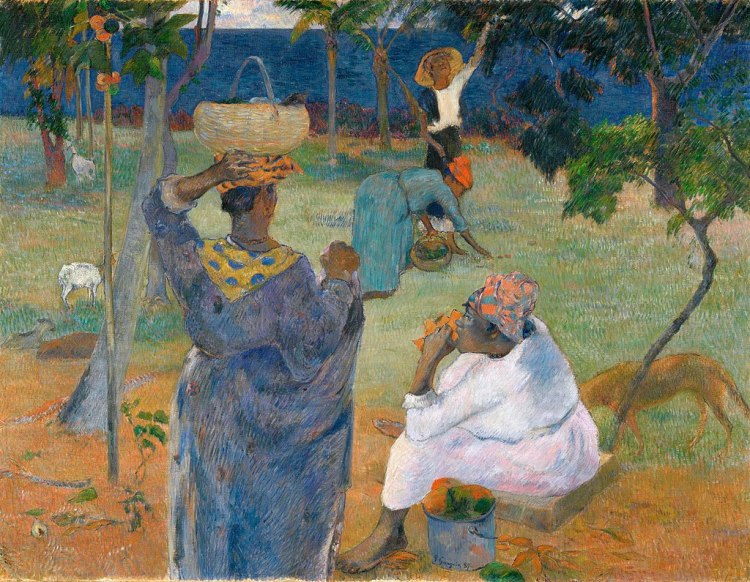
Among the Mangoes (La Cueillette des Fruits), Paul Gauguin
Paul Gauguin, a painter of some notoriety, first visited the Caribbean, Martinique, in 1887 after spending a short time in Panama. He lived in St Pierre (before the eruption of Mount Pelee wiped it out). He painted almost two dozen art works while there before returning to Paris. In 1890 he sailed, (not on his own boat) to Tahiti and spent about three years in the Pacific.
Brenda’s weaving
I bring this up as we recently met a retired doctor, Steve, here in Trinidad. His sailboat, ALMOST THERE, was on the hard right next to Kalunamoo. Only retired a few years, he was enjoying the Caribbean and spending much of the time in Grenada. As we got to know each other, he mentioned that he loved to write. He just finished his first novel, The Dance, and was trying to get it published. I also like to write but don’t think a novel is in my future, but it is fun to “make up characters” and see where they lead. Actually, there are numerous cruisers who have written, and continue to write novels, blogs, magazine articles, how-to books, that we have met along the way. Other arts are also represented including painting, photography and even weaving. Our good cruising friend Bob and his wife Brenda on PANDORA spend time in the Caribbean and Brenda is a proficient artistic weaver. Cruising aboard, however, does cramp her capability. Not to worry, their basement home in Connecticut is outfitted with large looms for her weaving! Bob happens to be the president of the Salty Dawg Sailing Association and we will see them again in Antigua.
Dance (La Danse), Henri Mattis
Steve’s fictional novel, The Dance, takes place in Manhattan but its theme is Henri Mattis’s painting of the same name, or more descriptively, Steve’s interpretation of its imperative to pursue life’s unfettered joy. That is what drives most people although the paths and methods are many, obstacles persist, and results are often compromises. The goals may never fully be realized and as many have said, it’s the journey that counts. These are the senses that influenced our travel south to the islands. So when will we sail back, really, to the north? When will the dance end? Only the musicians know.
Kalunamoo has been in the Trinidad “shipyard” since the end of May. We returned at the beginning of September to find her non-skid decks painted with other works in various stages of completion. Since then, new interior cushions, exterior sunshades, cockpit enclosure, Max feathering propeller, led lights, galley faucet, bob stay fitting, cutlass bearing, refinished teak work, new covers for the BBQ and aft table, all have been installed, completed or nearly so. There are other things still on the list including stay and main sail repairs and routine maintenance items but all should be completed by the end of next month.
New Cushions
New Max Prop
New Bob Stay Fitting
Ok, so that took up most of our time here. You must remember that we are on Island Time which means that the number of hours in a day is much less than 24. In addition, the weather has been hotter than normal (fry egg in sun temps) which, as Einstein Theory of Relativity told us, slows time and work down. All this means is that when you rise at sunrise and do some work, before you know it you’re ready for a nap, maybe some lunch and then get ready for sundowners by sitting on the dock of the bay. Or maybe, it’s Thursday night’s potluck BBQ, or a Friday night music jam, or a Saturday night at the Wheelhouse or Sunday Dominoes, Tuesday Maxi Taxi to Massey shopping, or a Saturday morning trip to the fresh market in Port of Spain. Really, I can’t understand how all this can be done and still expect to get any relaxing boat work done.
Sitting on the Dock of the Bay
But that is not what I wanted to write about. It’s about chocolate. Maureen got me into the notion that chocolate is an essential nutrient for a happy life. Aren’t Candy Kisses sweeter than wine? Apparently so. While the Hershey/Dove/Godiva controversies continue in various venues, sailing in these Caribbean Islands, we learned of the Coca Trees and their beans.
Coca Bean in Dominica
I wondered if the Cocabean is actually where the word Caribbean came from. Most attribute the word derived from the locals. They were known as the Caribs (the botched pronunciation of Kalingo’s) to Columbus and his sailors when they entered the country without any pre-arrival notifications. Of course, without proper paper-work or authorizations to stay they were turned away, but that is another story. In any event, botched pronunciations were the least of the problems. But Europeans were nothing if not persistent and eventually they moved in, cultivated the land. Mostly for sugar, rum and chocolate. Well, the chocolate part never really took off at first but when it did, they managed to send plants to Africa where today 70% of the coca beans now originate.
Myan Coca Drink
The problem with chocolate is that from bean to bar, chocolate requires a bit of processing. It’s not like Candy Kisses grow on trees. The natives made chocolate drinks for centuries before Columbus, but I think the Europeans preferred rum. Maybe it was the sailors influence, I don’t know.
Be that as it may, coca beans are shipped to processers in the industrialized countries on a grand scale. The trouble is that the farmers of the beans only earn enough from their beans to wear Lady Godiva’s clothes. The beans of the Caribbean, like the African beans, are exported for pennies and return as relatively expensive candy bars. This has prompted entities like the FairTrade organizations and farmers cooperatives, NON GMO verifications, USDA Organic labels etc. to try and “spread the wealth”. Any resemblance of Colonialism is purely coincidental.
And so, over the years here in the Caribbean (or should I say cocabean?) local farmers are forming co-sops and small local entrepreneurs are producing retail chocolate from local beans. The results are interesting. We have bought and tasted “local” chocolate from Grenada, St. Lucia, Dominica and St Vincent (and from Africa). My favorite is Jouvay from Grenada, (Maureen still likes Candy Kisses) but they all have a place in the realm of chocolate delights. The small batch production limits their export capability but as this generates local income that is not syphoned off the island, we sailors can add chocolate to the ways we can support the islands. Besides, I think it goes very well with Caribbean Rum.
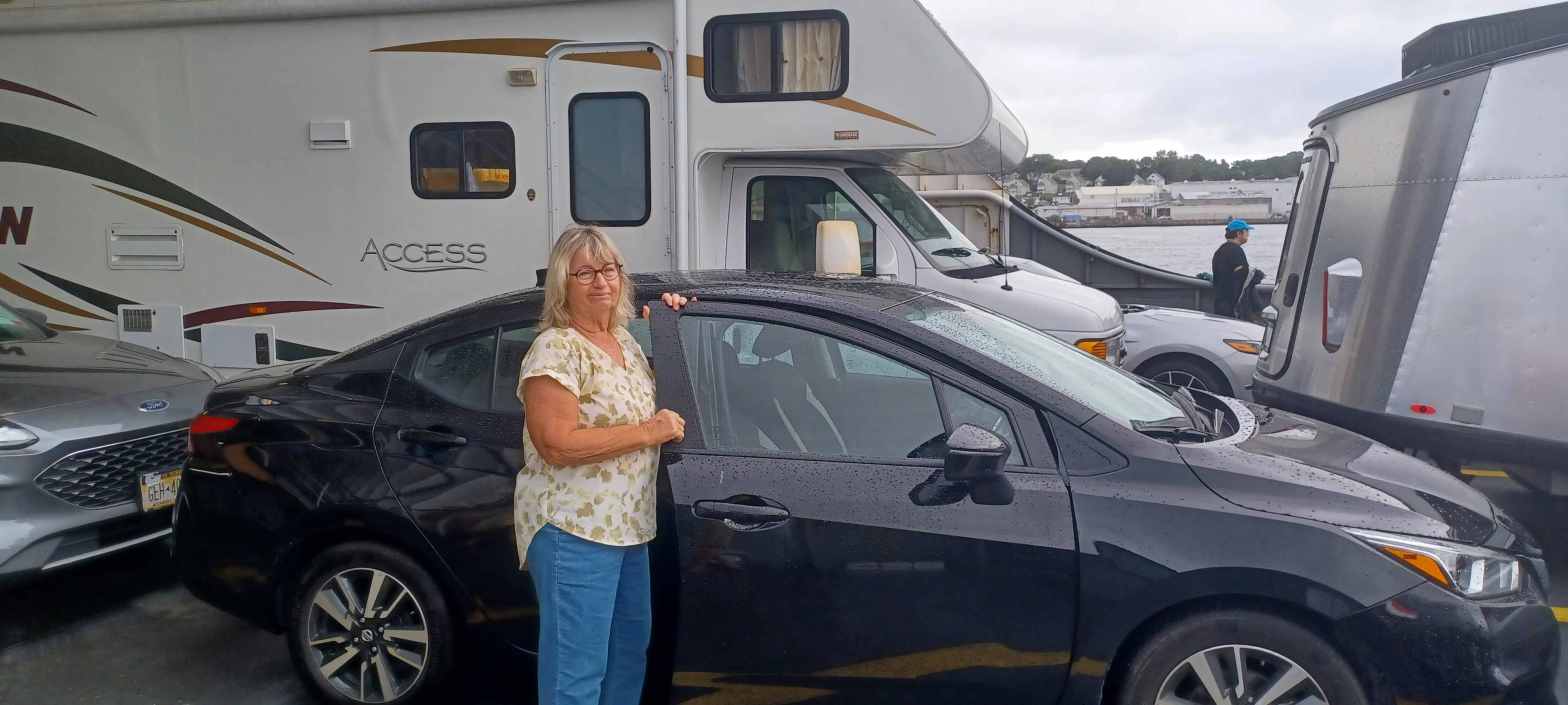
We left Kalunamoo in Trinidad on the first day of summer and flew to New York. Since then, we have chartered a Nissan and have been cruising on 4 wheels while putting over 2500 miles under the floorboards.
Our first 4-wheel cruise was to the south south-west about 600 miles. The weather was fair to squally, although visibility was good. We took the rhumb line course on the I-95 as far as Richmond then veered south toward the Cape Fear River. The run between Baltimore and Richmond was heavily travelled which necessitated a constant vigil of approaching, crossing, overtaking and out of command vehicles. Everything from small runabouts to mighty 18-wheel clippers occupied the same traffic lanes. Fortunately, separate inbound and outbound lanes are delegated to avoid head on situations. However, the lack of modern navigation in these vehicles cannot be excused. We have become accustomed to AIS to quickly communicate ours and other’s intentions. Our chartered Nissan relied on old style flashing lights and barely audible sound signals for this. I’m surprised they don’t still use flag signals. Believe it or not, other helmsmen behind their wheels even used individual finger signals to communicate their instructions. Since we were in constant cell tower range, we were able to use our chart plotter efficiently, although that female voice was sometimes confused and seemed to need to recalculate often. Most aids to navigation seemed to be missing although we never worried about shoals or bridge clearances.
Well, we made arrival by 1800, 12 hours after departure, and secured our vehicle in the designated parking area. Despite the threat of some strong squalls that was forecast, I was confident that the parking brake would hold.
We spent a week with Maureen’s family at Caswell Beach on Oak Island, NC. Had a great time and even visited some old friends from Brooklyn who migrated down there a few years ago. They are all land dwellers now, although I don’t hold that against them. The family took a boat tour of the Cape Fear River one evening and heard of the many movies filmed in the area (Cape Fear was not one of them). I was just fearful that the tour boat didn’t duplicate the bad fortune of Sir Richard Grenville who named the river Cape Fear when his ship became embayed there. Perhaps the only other passenger who knew this fact was a 3 year-old that couldn’t stop crying and screaming as soon as he embarked.
The Powers
On our return trip north to New York we pulled into Sparks, Maryland on Gun Powder Road. Who says those who name places don’t have a sense of humor! We visited with cruisers Judy, Judie, and Ed that have also swallowed the anchor and, believe it or not, are quite content. The great crab cakes that Judie makes must be part of their secret.
Bill, Judie, Maureen, Judy and Ed
Other trips were made to Essex on the Connecticut River and to Cape Cod. Bob and Brenda (PANDORA), are good cruising friends, we met years ago in Florida. Bob is also the president of the Salty Dawg Sailing Association. They invited us up for a few days while he held a rendezvous for cruisers in Essex. It was a good time to meet and greet those who have one foot ashore and the other on board. Our afternoon aboard PANDORA, in Hamburg Cove, was delightful, although I am not a big fan of swimming in salt free water. It’s a buoyancy thing.
Between these jaunts, we watched our grandkids’ ball games, hung out out on Long Island beaches with the family, had backyard gatherings, family birthdays, visited other friends and, in general, caught up with most of our shoreside relations.
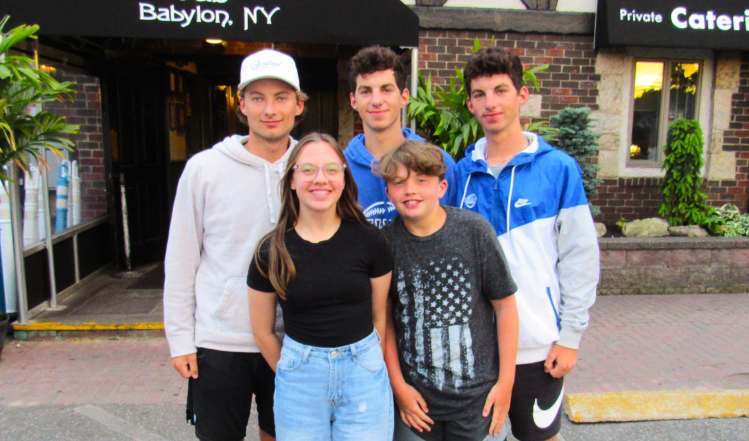
Michael, Timothy, Ryan, Caleigh and James
One week, I checked the weather window for the trip up to Cape Cod and it seemed ok. We booked the Nissan on the Orient Point ferry bound for New London. The early morning departure presented haze and light showers for the crossing. It was uneventful, no lashing and securing was needed. The gentle swell barely tested the parking brake. Heading up I-95, I eyed the gathering dark clouds ahead. Our speed over ground was substantial and I feared we would overtake the tumultuous tempest ahead. Alas, the cell phone sounded the alarm (almost like VHF 16), tornado warning (these are waterspouts on land)! I studied the possibilities and diverted our course and headed to the nearest protected “safe harbor”. Rains came, but no twister. Later we learned, it had touched down not far from where we were. In short order, we resumed our course up to Parkers Boat Yard and boarded their launch to ALLEGRO, lying on a mooring in the harbor.
Aboard ALLEGRO
We reunited with Lee and Sharon (ALLEGRO), had lunch with them and with Nada and Polde (NADA) and eventually sailed over to Hadley Harbor. Dug for clams and had a wonderful few days aboard. We hope to see PANDORA and ALLEGRO again in November in the Caribbean.
In between points of call, our time has been spent navigating various medical quays. After pre-arrival notifications, and clearing in with insurance and billing formalities, we joined the queue in their anterooms. We hoped that whatever adjustments we needed, the required repair parts would be in stock. In such cases, maintenance and repair on multiple personal body parts would need to be scheduled for later calls. Preventive procedures included checking blood and urine levels and values and assessing if any needed additives or adjustments were undertaken. We also submitted to X-ray, sonagrams, EKG’s and Cat scans to reveal any hidden defects and, we are happy to report, that as of this date none have been detected. Fortunately, none of these required berthing arrangements nor being put on the hard like a “fish out of water” for any considerable time. Departures were quick although many of the final written survey reports are yet to be received.
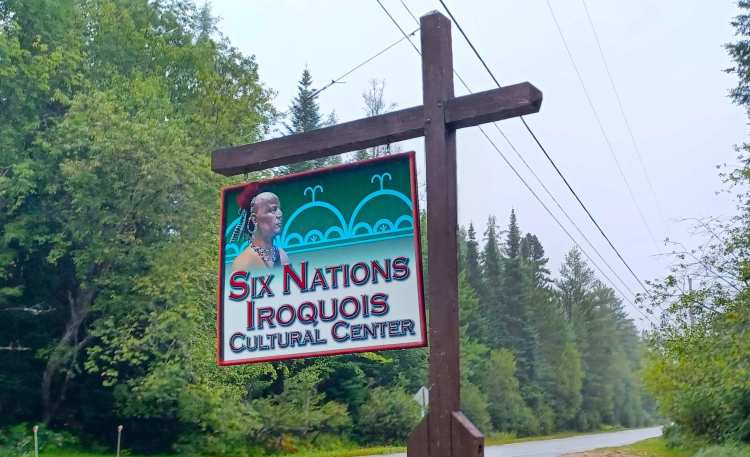
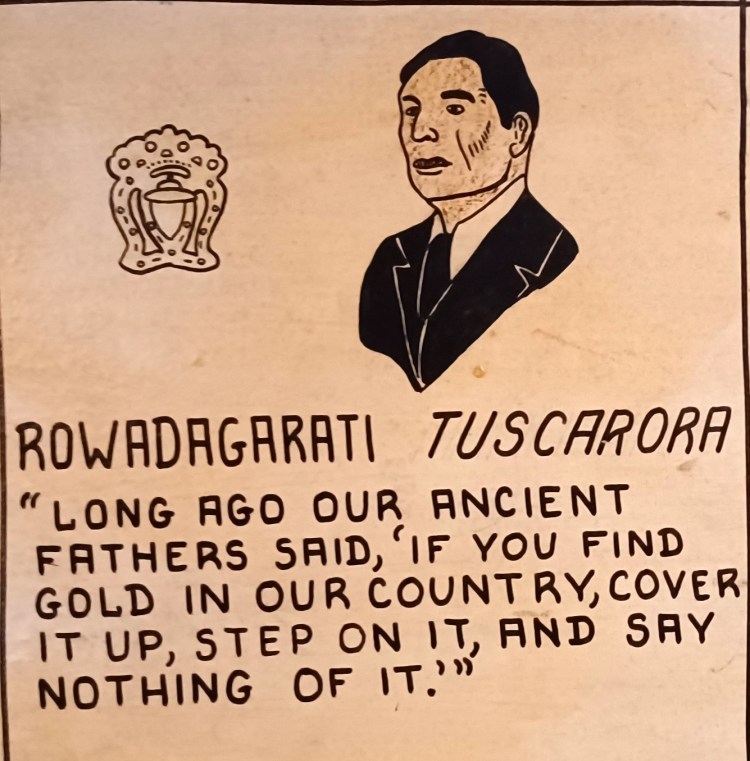
Our final transit in late August was up to New York’s Adirondack high peaks area of mountains and forests to see Melanie and Dave. It was an opportunity to wear long pants and jackets. Heavy foul weather gear was not needed nor was there any danger of the lakes freezing, so that was encouraging. This is the land where the indigenous people’s origin story describes how Skywoman descended from Skyworld. Sweet Grass, the Three Sisters and Mother Earth held major influences over them way before the “white man” arrived. One only wonders what Europe (and the U.S.) would be like today if these natives sailed east and imposed their lifestyle there instead of vis versa.
Melanie and Dave
Well, we had a good visit with Melanie and Dave (even played Mexican Train Dominoes) as they meld a lifestyle of their own – far from the maddening urban crowd and toward Mother Earth’s sensibilities.
A few days later and a couple of hundred miles due south, we pulled into Atlantic City where we met up with Liz, John and two of our grand kids. This is the land diametrically opposed to where we just came from. The land is table-top flat, the tallest peaks are the sand barriers keeping the Atlantic Ocean off the boardwalk, and the main occupation is prospecting for gold in the obscure corners of dimly lit caverns of electro-mechanic machines with loud noises. Needless to say, we were unsuccessful as to the prospecting but had a good time with the family anyway.
The “rare” Blue Moon of August crossed the Skyworld yesterday as ancient folk lore mashed up with the astrodynamics of calculation, luminosity and position. It has been that sort of summer. Two months of land navigating the realities of life ashore compared to the ethereal voyaging at sea on the blue pearl, awakening us to the daily interactions of friends and family that are dearly missed. But I take note of a few lines in the Thanksgiving Address (Words That Come Before All Else) that Native Americans recite to give thanks. “So now let us bring together our minds as one and give thanks to each other as People”.
We will rejoin Kalunamoo next week as we resume voyaging on familiar waters. We give thanks to the sea that rocks us to sleep, the wind that propels us, the fish, animals and plants who graciously sacrifice themselves to provide our sustenance. And to those who we meet, we strive to find where “our minds are one.” It was a good summer.
These are between voyage thoughts. Kalunamoo is on the hard and we are in New York seeing family and friends.
We use manmade stars who talk to our black box that draws a picture of exactly where we are, within a few feet, on the earth’s surface. It keeps us from running aground (assuming we take it’s advice). Very few of us have any idea how to build anything like this from scratch. But it took humans to think it is something we need.
We also seem to think we need to be able to see and talk to anyone in the world with push of a button (actually just a touch on an electronic image). No machine told us we needed it, but who could live without it now? Humans thought fire was useful, along with shelter and good tasting food. Clean water and clean air seemed like a good idea that many people had. And they commanded the technologies to provide these for us. Our clever machines transport us far better than our feet and far faster than bird flight. We have bent out surroundings, not all the time to the betterment of them, to our wants and desires.
Now along comes Artificial Intelligence. The very name gives one pause. What is so desirable for our Intelligence to be Artificial? Are we so intelligent that we need additional intelligence to be Artificial? Doesn’t the word “artificial” mean not true? Well, lately we seem to be swimming in Artificial Intelligence all the time. The historic search for TRUTH by philosophers since the beginning of time seems to refute the idea that we need more Artificial Intelligence.
The basic idea that searching through the utterances of humanity, TRUTH, or at least statistical significant patterns, will reveal a consensus of thought that can be labeled Intelligence. It can be assumed that this is what humans actually do every day. A baby enters this world with no data, other than a hard wired biological survival instinct. Over time it gathers data, sees patterns, and, lo and behold, earns a P.H.D. in cognitive recognition of the subatomic structure of black holes. Other babies become movie stars, priests, airline pilots, farmers and perhaps presidents of large countries. One can only wonder what our clever artificial intelligence machines will become when they grow up.
The Chicken Factory
One thing it might do is expand the manufacturing efficiency of meat production. The U.S.D.A. just approved the commercial sale of manufactured chicken meat. The meat (Artificial Chicken?) is produced in steel tanks that cultivate chicken cells into chicken meat. Presumably, it could be molded into looking like a chicken for a better consumer experience. Although leaving it to AI to design an even better looking animal may be the best solution. Lobster tails as big as a side of beef seem entirely possible. Which came first, the chicken or the steel tank?
As we manufacture AC (Artificial Chicken) with AI, attention should then be directed to Saving the Queen. I refer, of course, to the Queen Conch. In September of this year, the National Marine Fisheries Service is reconsidering listing the queen conch as endangered under the Endangered Species Act. It refused to list it in 2014 but the worldwide decline of this species continues. This is due mostly to overfishing, poaching, near shore pollution and disregarding existing regulations. I for one, would welcome some AC (Artificial Conch) if it means that conch salad becomes as ubiquitous as KFC. As you may recall, we were stopped by the Boarder Patrol when sailing into Ft. Piece, Florida a number of years ago. We were questioned about the five or six empty conch shells on board that we found on the beaches in the Bahamas. Conch were, and still are, on the CITES (Convention on International Trade in Endangered Species) list and more specifically closed to harvesting in Florida since 1986. We were told we needed an import license to bring even empty shells into the country. They let us keep them, but warned of possible problems if the Florida conch police caught us.
Besides going further out to sea to harvest conch, fisherman worldwide are going further and deeper to stay in business. A recent article described the how the local lobster fisherman on the Mosquito Coast in Honduras, are scuba diving deeper and deeper for lobster. They dive up to 190 feet multiple times a day – 20-25 scuba tanks a day – to keep up their income. Unfortunately, they are taking high risks, with poor equipment and little knowledge of how this deep diving affects them. Only when they suffer from DCS (decompression sickness) which results in paralysis or death does it stop them from supporting their families by diving and dying for lobsters. I wonder if AI could help them.
Finally, a recent article about a 103 year old Rockland Maine woman named Virginia Oliver who, along with her 80 year old son, is also in the lobster business. Three days a week they go out on their boat to haul 400 traps to keep the family business running. She seems satisfied with her life and doesn’t see any need to change what she has been doing since she was 8 years old. Definitely nothing artificial there.
And so, I wonder if any of this was thought about by AI and how it would direct us to a different life. We are in New York for two months as Kalunamoo receives some M&R in Trinidad. It is experiencing an artificial atmosphere under the shrink wrap and artificial cooling inside. Some people think our lifestyle is as foreign as AI. I wonder if AI ever thinks about lifestyle at all. Someday, maybe, it will convince us of the need for a particular way of life, like the way it convinces us to use a certain brand of toothpaste. Until then, we try to keep our lifestyle, including the chicken we eat, far from being artificial. We also try to keep sand between our toes.
My first encounter with Rum and Coca-Cola was on Palma de Mallorca in the Mediterranean. I was on a training ship in college and it was the first foreign port the ship hit. This was the summer of 1966. An introduction into the seafaring life always includes the waterfront cafes, restaurants and bars. The drink of the day (days) was Rum and Coke. Since Coke was relatively expensive, it was always light on the Coke. Nice drink, welcome to the life of a seaman.
Years later, Maureen and I sailed to the Bahamas and the Caribbean, the home of Rum (or is it Rhum?) and was reintroduced to this mixture of Americana and Tropicana ingredients. The history of Caribbean rum is another story, but the story of Rum and Coca-Cola also known as Cuba Libre, specifically the song, is today’s topic.
Anyone who has taken a Jesse James tour of Trinidad (and you should) will be reminded of the popular song Rum and Coca-Cola sung by the Andrew Sisters. Of course, we are all too young (LOL) to remember the Andrew Sisters, but they had this hit song in 1945. Jesse mentions this song as we pass through an area called Point Cumana, between Chaguaramas and Port of Spain (it is mentioned in the song).
The song was originally written by a Trinidadian named Lionel Balesco. He was actually born in Venezuela but grew up and lived in Port of Spain, Trinidad. He used a melody of a French song from Martinique (L’Anee Passee – about a women who became a prostitute). This was sometime before 1940. Another Trinidadian, Rupert Grant, using the stage name Lord Invader, made the song very popular in Trinidad in 1943. This calypso beat song’s topic concerned the attraction of Trinidad’s “mothers and daughter’s” to the Yankee soldiers and their dollars. Little imagination was needed to know what was transpiring.
At the time, the U.S. Navy had a large naval base in the area of Chaguaramas. Actually it had several between 1941 and 1967 when the troops finally left. The bases all closed in 1977 and the land returned to Trinidad in 1988. But in the 1940’s, there were sailors, troops and support personnel here and of course there were USO shows. The USO was formed in 1941 and the first overseas shows were in the Caribbean. Morey Amsterdam, a Chicago born comedian, was one of their performers at that time.
When Amsterdam (remember him from the old Dick Van Dyke show?) went back to New York, he wrote a song titled Rum and Coca-Cola. Oddly enough it was a calypso song about mother’s, daughters, and going mad about Yankees and their dollars. It was virtually the same song, albeit not as pointed, as the Balesco song. The Andrew Sisters recorded this version in 1945 and it became a hit. Needless to say, Amsterdam was sued for copyright infringement and 7 years later it was settled for a $150,000 payment to Lord Invader. However, he did retain the rights to the song and always claimed he never heard of Lord Invader or his song.
The song was one of many that introduced the Calypso “invasion” to American audiences. Calypso itself originated in Trinidad years before as a topical, and generally an anti-authoritarian/colonial culture statement of the Caribbean. By the 1950’s performers like Harry Belafonte became very popular with songs like the Banana Boat song. “Calypso” singers in the U.S. toned down the social aspects of the songs while Atilla the Hun, Roaring Lion, Lord Kitchner, and the Mighty Sparrow carried on in the Caribbean. Lord Invader went on an international tour (with the copywrite money) and eventually came to New York and recorded many of his songs with Moses Asch, the founder of Folkways Records. Clearly, these all influenced the American folk songs that came later.
Well, these songs can be heard on YouTube, including the two versions of Invader and Amsterdam.
The song has been covered by many world-wide. Just search for the song on YouTube.
As for the actual drink we like to use Fernandez Black Label rum from Trinidad’s Angostura’s distillery and real Coca-Cola made with cane sugar (not with the corn syrup that you get in the States). And yes, we are drinkin’ Rum and Coca-Cola, gettn’ the Kalunamoo paint’n and looking fine and spendn’ the Yankee dollar.
We were in Carriacou for two weeks and started to feel the local rhythm of the place. As I have mentioned before, living aboard cruising is a mixture of two modes of sailing.
Living aboard is just that. It doesn’t really matter where the boat is,at anchor or marina, many of the routines are the same. Living in a small space, with unique concerns – where is the laundromat, how far can we drag, is the dinghy full of water again – but essentially connecting with the neighborhood and locals ashore and moving with the rhythm of the place. Your neighbors are both other cruisers that come and go, and the local establishments ashore.
Cruising is more like a of tourist visiting different places. You sail, you arrive, you see, you enjoy, and then move on. Certainly, you interact with locals and businesses much more than just “tourists” and you do have many of the same issues of “living aboard”. But moving about and exploring new sailing areas is the main function of cruising.
Playing Dominoes in the Gallery Cafe
There is no clear time distinction between these two modes. As I wrote, it is a mixture of the two and that depends on individual temperament. There is no “right” combination. But we have found that after two or three weeks in one location “living aboard” dominates and we could see how Carriacou could become a place to spend more time as liveaboards. Tyrell Bay is a good anchorage with a good variety of restaurants, beach bars, and marine supplies (Budget Marine). Sandy Island, Paradise Beach and other anchorages are good for day trips. It is similar to Bequia for the same reasons, although we would give Bequia higher marks.
Sandy Island
A small island, however, does have its disadvantages. In the case of Carriacou, it had a major fire last month at the only electric generating station on the island. Two of the four generators burned out and it affected the whole island. We noticed it on one of the first nights we were there. All of a sudden, all the shore lights went out. They were “load sharing” the power and rotated who would lose hours of power each day. Didn’t affect us too much but when we were at Paradise Beach Restaurant, the power went out just as we were finishing our dinner. Electric lanterns were broken out and fortunately the charge machine still worked so we could pay for our meal. The island is still waiting for generators from Grenada or Trinidad.
We moved on from Carriacou earlier than planned for a variety of reasons. The sail to Trinidad direct from Tyrell Bay is around 18 hours and so a weather window is looked for. By this time of the year, late May early June, the “rainy season” usually starts to kick in. Although the trade winds are calmer now, they blow more with a southern component. That, combined with a strong Equatorial current running north and the higher chance of squalls, doesn’t make the sail prohibitive but if you don’t have a schedule, why not wait for the best weather? That is what we did. The fact that many cruisers we knew already made it to Trinidad persuaded us to reach Trinidad early.
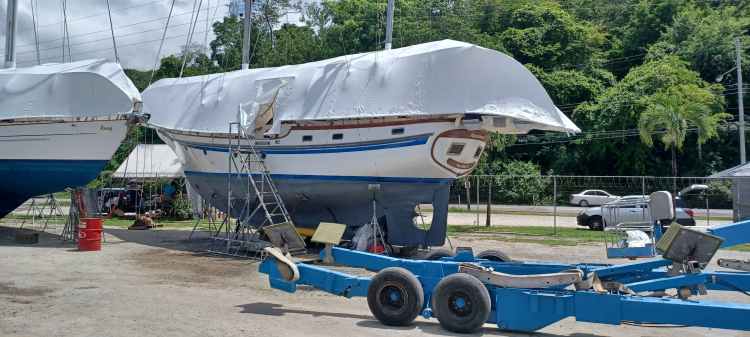
The sail down was great. However, we motor sailed most of the day because of my concern regarding the bob stay fitting on the bow sprit. A few days before, I noticed a small ¼ inch crack in the bow plate that secures the bob stay to the bow, right on the waterline. Not a great thing to see. I don’t think it was going to fail immediately but why take a chance? I decided not to use the jib and sail only with a reefed main and stay sail, in order to lessen the tension on the rig. I did not need to race to Trinidad and risk loosing the rig. I also used the spinnaker halyard as a backup forestay just in case the bob stay pulled out. As it turned out, by motor sailing even with reduced sail area, we needed to slow down and not enter Trinidad before dawn. That we did and by 8 in the morning we took a mooring in Chaguaramas and just about completed voyage #13. We would stay on the mooring for three days preparing to be hauled.
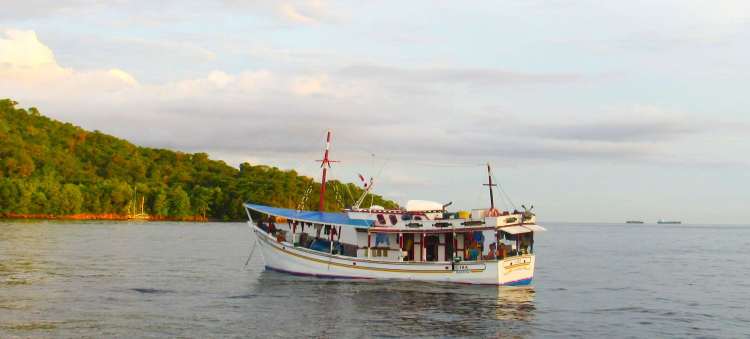
Venezuelan Fishing Boat
Chaguaramas is our “home base” in Trinidad and is rebounding from the two year shutdown due to the pandemic,which closed down all of Trinidad to visitors and nationals trying to return to their country. The boat yards look like they are busier this year than last but the industry still has to compete as other islands “upped their game” in attracting cruisers and charter boat operators offering competitive services. There is, however, a large local boating population that has kept the yards active. The fact that the island is not as economically dependent on cruisers/tourists as other east Caribbean islands, the historic importance of Trinidad to cruisers is always a concern.
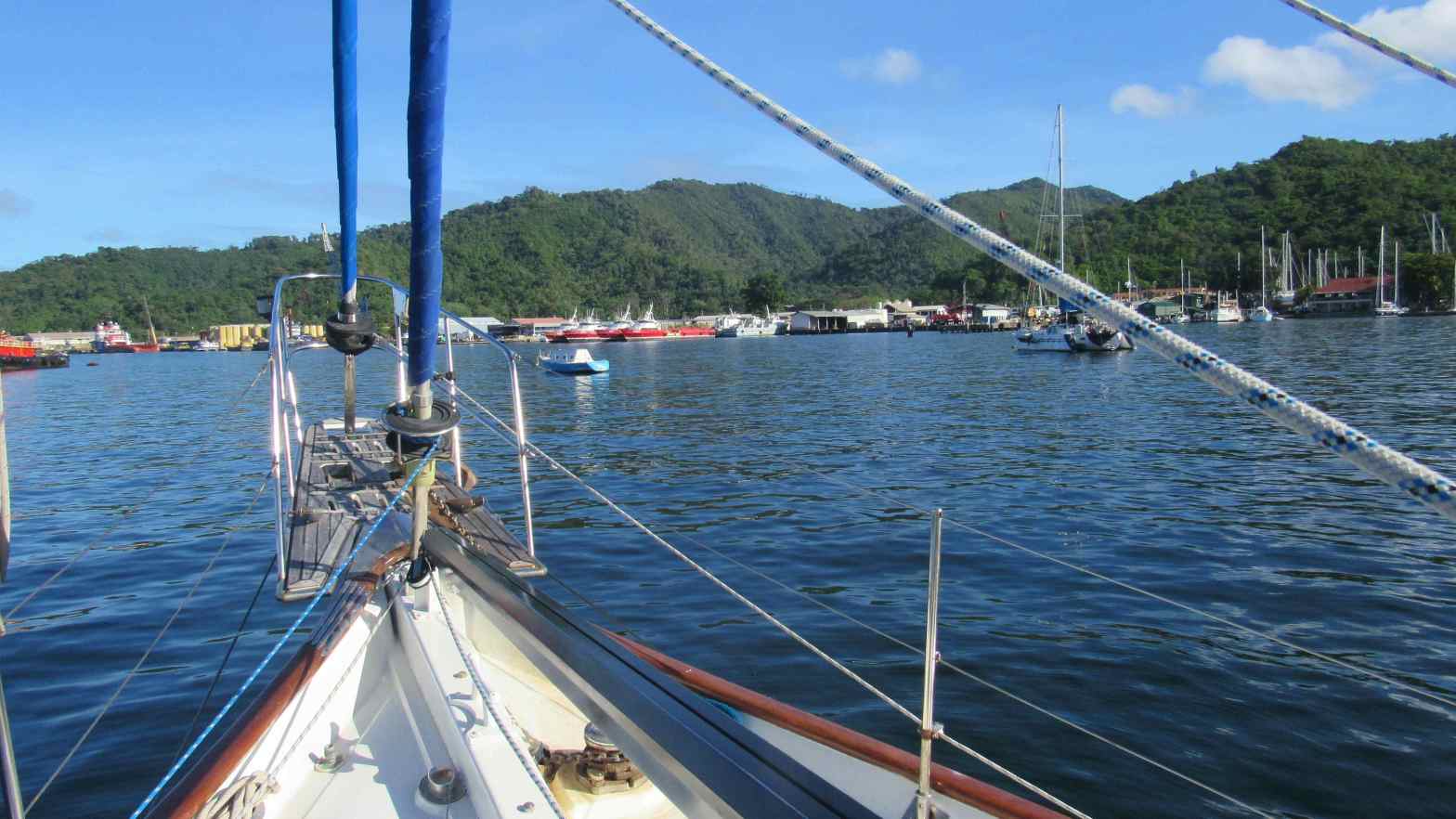
Besides cruisers, Chaguaramas is home to the “oil patch” boat service industry, local and Venezuela fishing and recreational boating. All this makes the harbor look more “industrial” than your usual Caribbean marinas. There are no meg-yachts here!
But here we are for the next few months. We will “vacation” off the boat for July and August and truly be tourists in our ancestral land. Well, hopefully more than just tourists seeing our children, grandchildren, relatives and friends. We anticipate feeling the rhythm of the place.
We spent almost a month in Bequia which seemed like only a few days. It is a little island that is hard to depart, not physically but mentally. It is also the first steppingstone down the Grenadines; each a small gem on the azure sea to Grenada. But this time we didn’t stop along the way and sailed directly to Carriacou. We haven’t been there since 2019 and decided to spend our last weeks this season there. This is the last island in the Grenadines but is part of Grenada. Our cruiser friends on Roxy sailed to Tobago from Bequia and we were going to sail with them, but it is a bit of a slog getting there. It is southeast of Bequia, hard on the wind against a strong current and so it is mostly “uphill”. I guess we just were not up to it!
Not that is not worth it. We have been to Tobago, a few years ago, on a “vacation” from Trinidad. A fast ferry from Port of Spain, Trinidad and a few days in a small inn was well worth it. Perhaps in the future we’ll return with the boat but for this year we elected to go to Carriacou.
It was a great sail down from Bequia. I have found that you pay for a great sail by paying for it on other days when “unpleasant” sailing is the order of the day. We have only one more leg to sail to Trinidad, and hope to arrange another great sail. We have a few weeks to pick the right day! Another cruiser friend on Miclo 3, sailed along with us. We exchanged pictures.
Miclo 3
We are now anchored in Tyrrel Bay. One of the things that disturbed James Mitchell, was the trend that public music took on the Islands in the last 20 years or so. Mitchell was St. Vincent and the Grenadines PM in the late 1980’s to 2000 or so. He commented on the volume of the music whenever a party, bar, or parade was organized to socialize. That became endemic in most islands now as the sounds of party nights go for hours at a time. Any holiday is celebrated by day-long, into the night non-stop music blasting away. In Rodney Bay St Lucia, Bequia, and now here in Tyrrel Bay, we have been subjected to this. Tomorrow is Mother’s Day, and so the celebration with ear splitting music started at noon today. We are anchored a quarter of a mile off-shore and can clearly hear the sound inside the boat. The video does not do the sound justice as the base beat pulses can’t be captured on a cell phone. But even with poor hearing, there is no mistaking the 120 beat base line of the music.
At anchor in Tyrrel Bay
The beat is almost always 120 beats per minute – just enough to raise your pulse below critical. I wouldn’t comment on the actual music as that is a matter of taste. Regardless of musical style, the volume itself is indefensible. And I have bad hearing. My theory of why this occurs is as follows. Not everyone has the equipment to properly hear the nuances of this music. In order to compensate for this, when music is played, it is shared by the whole island at the same time. This necessitates, a volume sufficient to cover the whole island. Apparently, radio stations are too old school to serve this purpose. I don’t doubt that the equipment used for this purpose was the same ones used by the band Spinal Tap: amplifiers that went to 11 and 12.
Tyrrel Bay is lovely. We will spend much time here and plan to go to Sandy Island, Paradise Beach and maybe other west coast anchorages.
By June we will be off to Trinidad. They too have the music turned up but fortunately not in the boat yards! They did have Party Boats with this sound that go out at night. I think the Venezuelan’s at the time, 12 miles away, enjoyed the music. A few years ago, we attended a night of The Battle of the Pan Bands in Port of Spain. I described it as a hurricane of sound in intensity and nearly the same in effect. Our jam sessions on board Kalunamoo are not nearly as boisterous. My amp only goes to 10.
Over the last number of years, we have sailed past St. Vincent numerous times. This large islands always looks green and rugged with few settlements or towns along the west coast. Few beaches are evident, and no natural harbors exist except for one or two at the southern end. In addition, a reputation of not being safe in some anchorages discouraged us from landing on the island. We therefore have sailed passed and anchored in Bequia, the first island of the Grenadines. These small islands are wonderful although they also had a history of “safety concerns”. As with most places, however, reputations are hard to live down and St. Vincent and the Grenadines (yes, that is the official name of the country) are probably no worse than many other islands.
After helping with the demasted sailboat (see last post) and which we assume made it to port, we anchored in Bequia. A number of cruising and Salty Dawg boats were here, some coming and going using Bequia as a jumping off point to the smaller Grenadines. Sundowners, beach BBQ, dominoes, restaurants, and gatherings have occupied our time but the lure of St. Vincent was always on my mind.
We decided the best way, at least for now, would be to take the ferry from Bequia over to St. Vincent and tour the island. Cruiser friends recently did just that and recommended a tour guide (Hazeco Tours). We would take the one-hour ferry at 6:30AM and land in Kingstown, have breakfast, then tour with a guide for the day. The last ferry back is at 6PM so there is no rush to leave the island.
We made arrangements for last Monday but knew the weather was not looking too good. It turned out that a week of showery weather was in store for us. Sunday night, Millie, the tour operator called and said the forecast was really not good to drive up the mountains and so we decided to wait until Friday when the weather returned to more “normal” conditions. That was a good call as we saw later mudslides can easily block roads.
Mark and Lynn on ROXY joined us, and we took the 6:30 AM ferry to Kingstown. We ate breakfast at the oldest hotel on the island – The Cobblestone Hotel – and awaited on our guide. We met Fiona waiting for us outside the hotel, but the driver of the van was stuck in traffic. As small as these islands are, traffic jams can be as bad as mid-town Manhattan in rush hour. A bit of a wait, but we all piled into the van and off we went. Of course, we were still in traffic, but eventually made it out of town.
Fiona and our driver
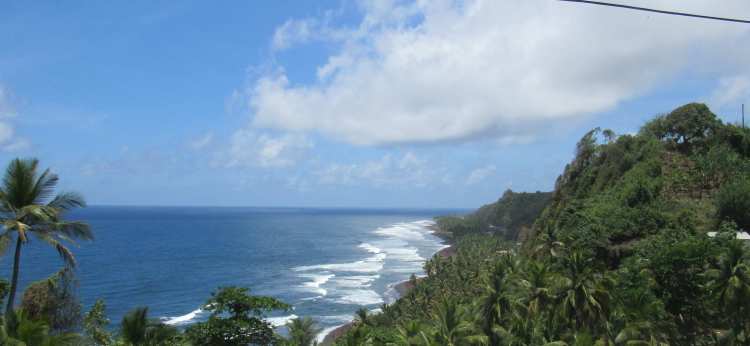
We had a few suggestions as to what to see but generally left it up to Fiona as this was our first time on the island. There really is only two main roads from the southern end of St Vincent where the capital and main town, Kingston, is located. One up the west coast, one up the east coast. Neither run all the way to the north end. La Soufriere, the volcano that erupted in 2021, is at the north end of the island.
About 20 minutes into the trip, we heard a bang and thought the van had a tire blow out. The roads are full of potholes, so that is not unusual. Unfortunately, it was much worse as the ball joints broke and the wheel was essentially off the vehicle. We could only thank God that it didn’t happen on any of the steep roads. Not many have guardrails!
It took about a half hour for a car replacement and Fiona and the four of us climbed into the van and we were off again. Unfortunately, the traffic delay and the broken van meant we wouldn’t get to the Montreal Gardens. Well, maybe next time. We did continue on the east coast heading north.
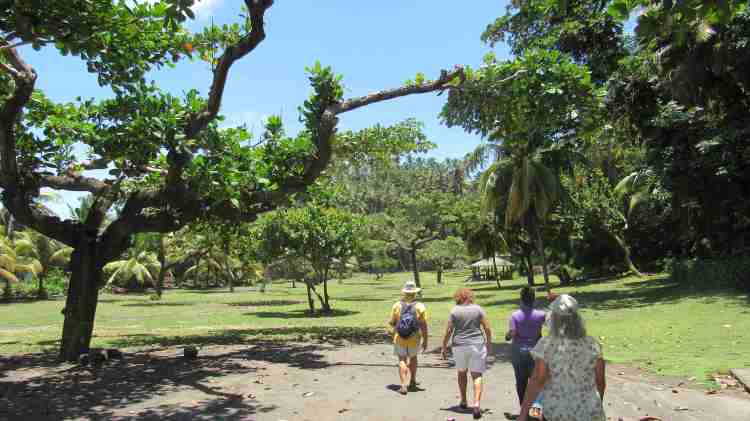
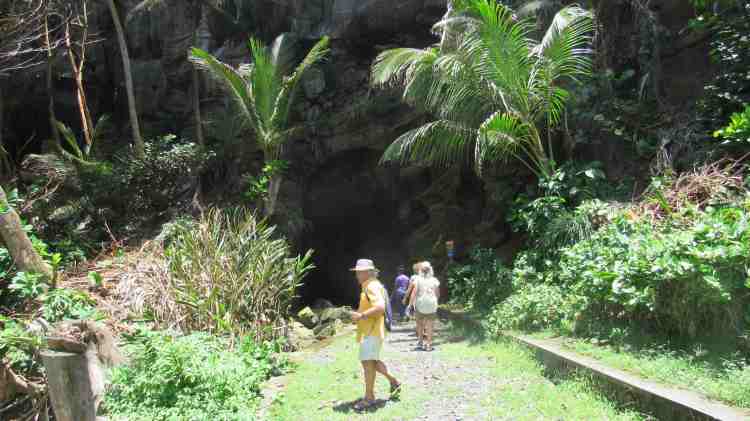
We stopped at Black Point, which is a National Park and the sight of the Black Point Tunnel. This is a man made (by slaves) tunnel through a headland. It was used to transport sugar from the surrounding plantations to ships in the bay on the other side of the headland. It also included small storage rooms (caves). The bats and crawling creatures in the tunnel was an added attraction!
Continuing further north we entered the Red Zone. This area, about 1/3 of the island, is where La Soufriere is located and was very much impacted by the eruption in April 2021. That same volcano erupted in 1902 and 1979. In April of 2021, we were in Antigua but sailed to St Lucia in early May. This was during the height of the pandemic lockdowns with not many islands “open” for cruisers, however, St Lucia was one of them. We were concerned, however, how it would affect St Lucia, but the prevailing winds carried the ash east and west and little to the north.
The Eruption in 2021
La Soufriere today
On St Vincent, the situation was very different. The Red Zone had to be evacuated due to the volcanic fall out of ash and “fire balls”. Electricity and water were cut off and mud flows cut off the roads. The ash eventually covered the entire island and contaminated the water supply and severely affected agriculture. Our guide, Fiona, lived in the south by Kingstown and said she couldn’t breath outside and had to seal up all windows to keep the air breathable. Airports were closed for weeks as the ash disrupted normal air traffic. Over 16,000 people were evacuated from the red zone. The government eventually build new housing for them in the zone.
One of the lasting effects we saw were the numerous dry rivers. As in most of these islands, inland rains may make small streams into “flash flood” zones at times and it was no different here. But there is a difference. These streams carry ash and boulders released from the volcano. This makes the flood water almost like a surrey with a much more destructive force than just water. House were destroyed and burned. Bridges have been rebuilt but when flash floods occur they make it almost impossible to cross.
One good thing that these have brought is a new source of income. The ash aggregate was found to be a very good base material to make cement. The dry riverbeds provide an easy source of this material and is used and exported as all new construction is cement block and concrete.
Dry river bed
We then went to Owia Salt Pond Recreational park. At this picturesque point, a home cooked lunch of chicken and rice and rhum punch was provided by the tour company and eaten overlooking the tidal pools of Salt Pond. The beaches in this area have the black sand of the volcano but are still very “Caribbean”.
The drive back to Kingston covered the same territory while Fiona commented on life in St. Vincent. As in all these islands, their economies are trying to expand from just a tourist destination. St Vincent, is actively expanding its tourist attractions and visitors, is also supporting local agriculture and products to help diversify their income. They may be late to the game regarding tourists; they only recently opened their international airport. This may go back to James Mitchell’s ideas after St. Vincent became independent in 1979. Born in Bequia, he was their Prime Minister, 1984-2002 and saw the future as including tourism but wanted St. Vincent to be unique in that regard. Large international resorts were not envisioned. He may have gotten his wish until now, but it is hard for any government to turn down multi-million development plans. But as Fiona pointed out, construction jobs, materials, and ownership profits are very rarely beneficial to the local population.
The ferry dock in Kingstown
We got back to Kingston in time for the 6PM ferry back to Bequia. It was a good tour and would recommend doing the same to anyone to get an overview of the island. In the future, we are sure we will anchor in some of the anchorages on St. Vincent and take advantage of other sights.





























 Kalunamoo